Understanding Vicarious Liability in Employer-Driver Truck Accident Cases
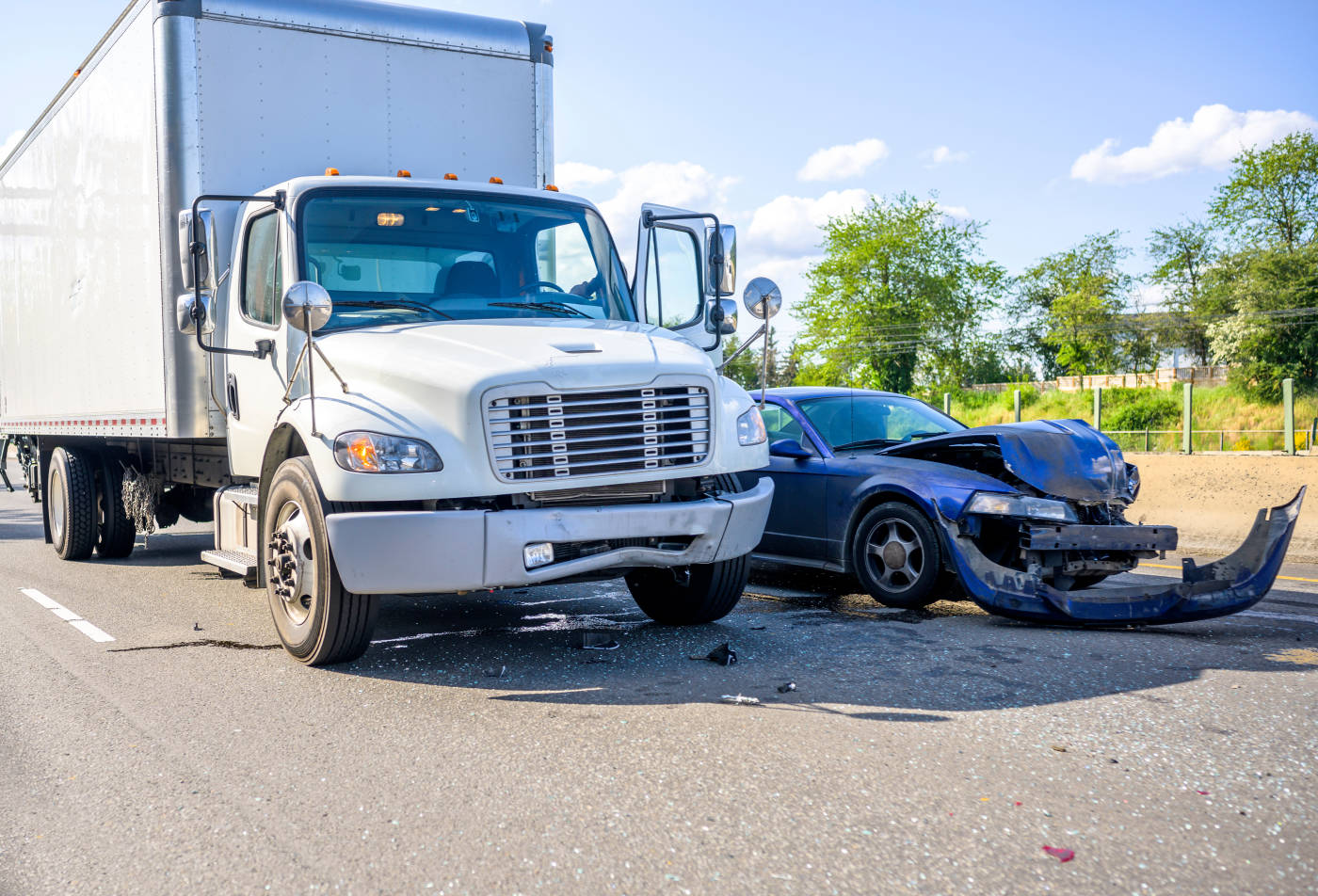
Truck accidents can have devastating consequences for everyone involved. Unlike typical car collisions, crashes with commercial trucks often result in severe injuries, lengthy hospital stays, and significant financial burdens.
For victims, the road to recovery isn't just physical—it’s emotional, legal, and financial. Knowing where responsibility lies can feel overwhelming, especially when multiple parties, including employers, may be involved.
At Dodd B. Fisher Law, we help clients in Grosse Pointe, Fort Gratiot, Grosse Pointe Woods, the Detroit Metro, Port Huron, and surrounding areas understand and pursue claims after serious truck accidents.
Our focus is on helping victims explore legal avenues that hold the responsible parties accountable, including cases where employers may be liable for the actions of their drivers. Reach out to us today to discuss your case and understand your options.
Vicarious liability is a legal principle that holds one party responsible for the actions of another. In the context of trucking, it means an employer can be held liable for accidents caused by their drivers, as long as the driver was performing work-related duties at the time of the crash.
Vicarious liability isn't automatic. We help clients gather evidence to demonstrate that the driver was acting within the scope of employment, which might include delivering goods, traveling for work-related purposes, or performing any task assigned by the employer.
When a truck accident occurs, it’s easy to assume that only the truck driver is responsible. However, in many cases, the employer can also be held accountable under a legal principle called vicarious liability.
Trucks are commercial vehicles, and companies are expected to maintain safe operations, properly train drivers, and make sure vehicles are in a safe condition.
Proving employer liability requires more than pointing to the driver’s actions. It involves showing that the driver was acting within the scope of employment at the time of the accident. This can be challenging, particularly if the employer disputes their involvement.
When we assist clients in pursuing truck accident claims, several recurring obstacles often make proving employer liability more difficult than expected. These challenges aren't the victim’s fault—they exist because trucking operations involve multiple layers of responsibility, and because businesses may resist liability to minimize costs.
Typical challenges victims face when establishing employer liability include:
Determining employment status: Not all drivers are direct employees; some are independent contractors or leased operators. Identifying the correct party responsible can require a detailed investigation.
Scope of employment disputes: Employers may claim the driver wasn't performing work duties at the time of the crash, attempting to avoid liability.
Complicated company structures: Large trucking companies may have multiple subsidiaries, divisions, or subcontractors, making it difficult to pinpoint the responsible entity.
Insurance coverage issues: Commercial trucking insurance policies can be complicated, and some may try to deny coverage based on technicalities.
Conflicting evidence or statements: Drivers and employers may provide different accounts of the incident, leading to disputes over what occurred and who is responsible.
Overcoming these obstacles often requires careful investigation, timely evidence collection, and knowledge of both trucking regulations and employment law. Once the correct parties are identified, victims are better positioned to pursue compensation for medical bills, lost wages, property damage, and long-term recovery costs.
Vicarious liability claims depend heavily on evidence that connects the driver’s actions to the employer. Clear documentation and supporting materials make it possible to hold the right party accountable, even when the employer initially denies involvement.
Forms of evidence that help support employer liability include:
Employment records: Documents showing the driver was on the payroll or scheduled to work at the time of the crash.
Logbooks and GPS data: Records of routes, hours of service, and vehicle locations can prove the driver was performing work duties.
Training records: Evidence that the driver received company training can demonstrate that the employer had control over their operations.
Vehicle maintenance logs: Showing that the truck was owned, maintained, or leased by the employer can link them to the accident.
Witness statements: Independent witnesses can confirm the driver was acting on behalf of the company during the incident.
Communication records: Emails, texts, or dispatch instructions may establish the connection between the employer and driver at the time of the crash.
Our experienced truck accident attorneys at Dodd B. Fisher Law will collect and organize this evidence to strengthen your claim and help reduce the chances of your employer avoiding liability through technicalities or misstatements.
Even when evidence seems straightforward, trucking companies often challenge claims to minimize exposure. Insurers may use tactics to deflect blame from the company onto the driver, the victim, or even other parties involved in the crash.
Ways companies or insurers may complicate employer liability claims include:
Claiming the driver was independent: Denying employment status to avoid responsibility.
Arguing the driver was off-duty: Suggesting the crash occurred outside the scope of employment.
Pointing to multiple contributing factors: Blaming road conditions, weather, or other drivers to reduce liability.
Delaying investigation or withholding documents: Slowing access to logs, maintenance records, or communications.
Pressuring for early settlements: Offering low settlements before the full scope of injuries and damages is understood.
We help clients counter these tactics by gathering solid documentation, challenging unfair claims, and presenting a clear, factual account of the driver’s role and the employer’s responsibilities.
At Dodd B. Fisher Law, we help clients in Grosse Pointe, Fort Gratiot, Grosse Pointe Woods, the Detroit Metro, and Port Huron identify responsible parties, gather critical evidence, and pursue compensation. If you’ve been injured in a truck crash and want to understand your options under vicarious liability, reach out to us today to discuss your case.