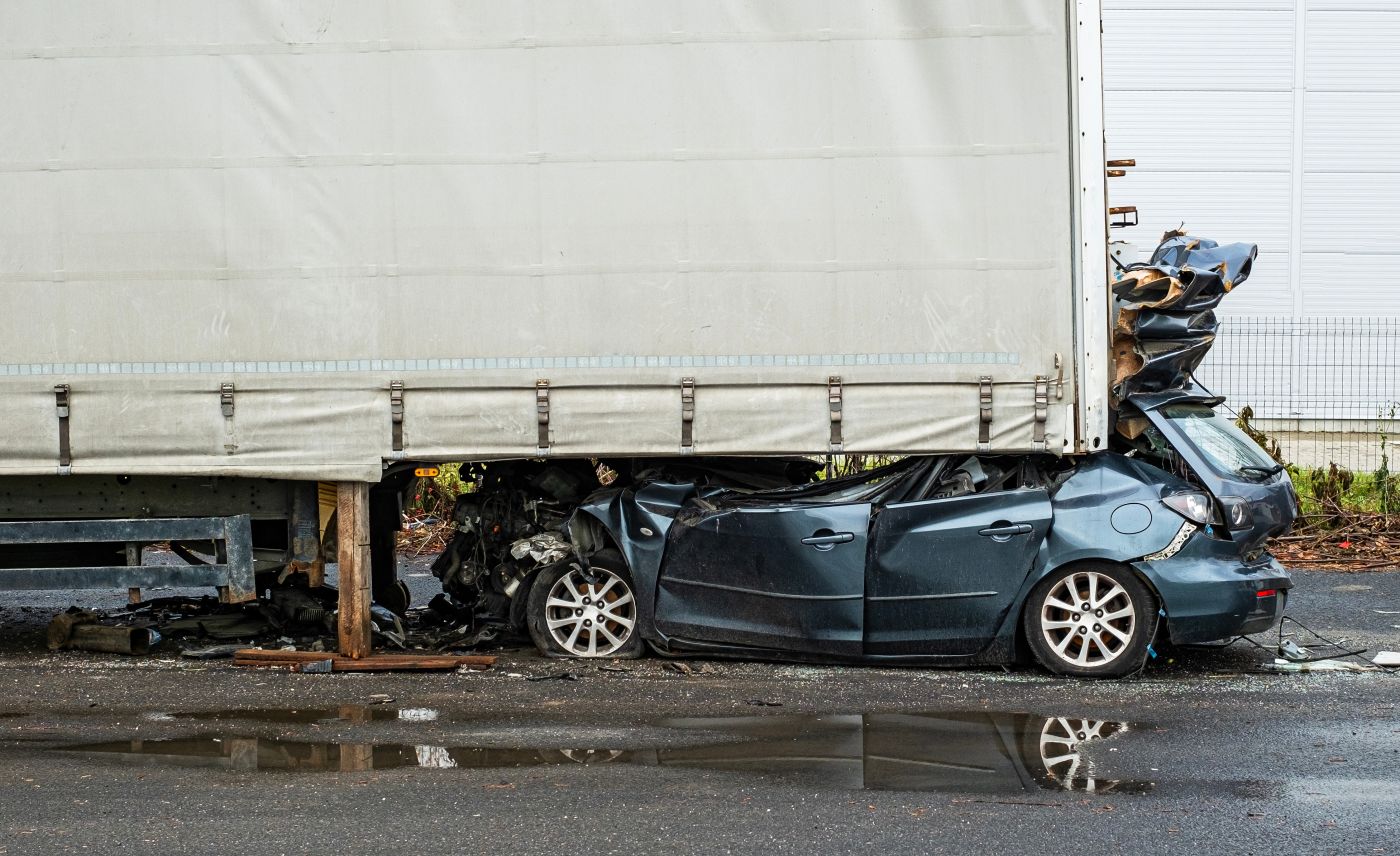
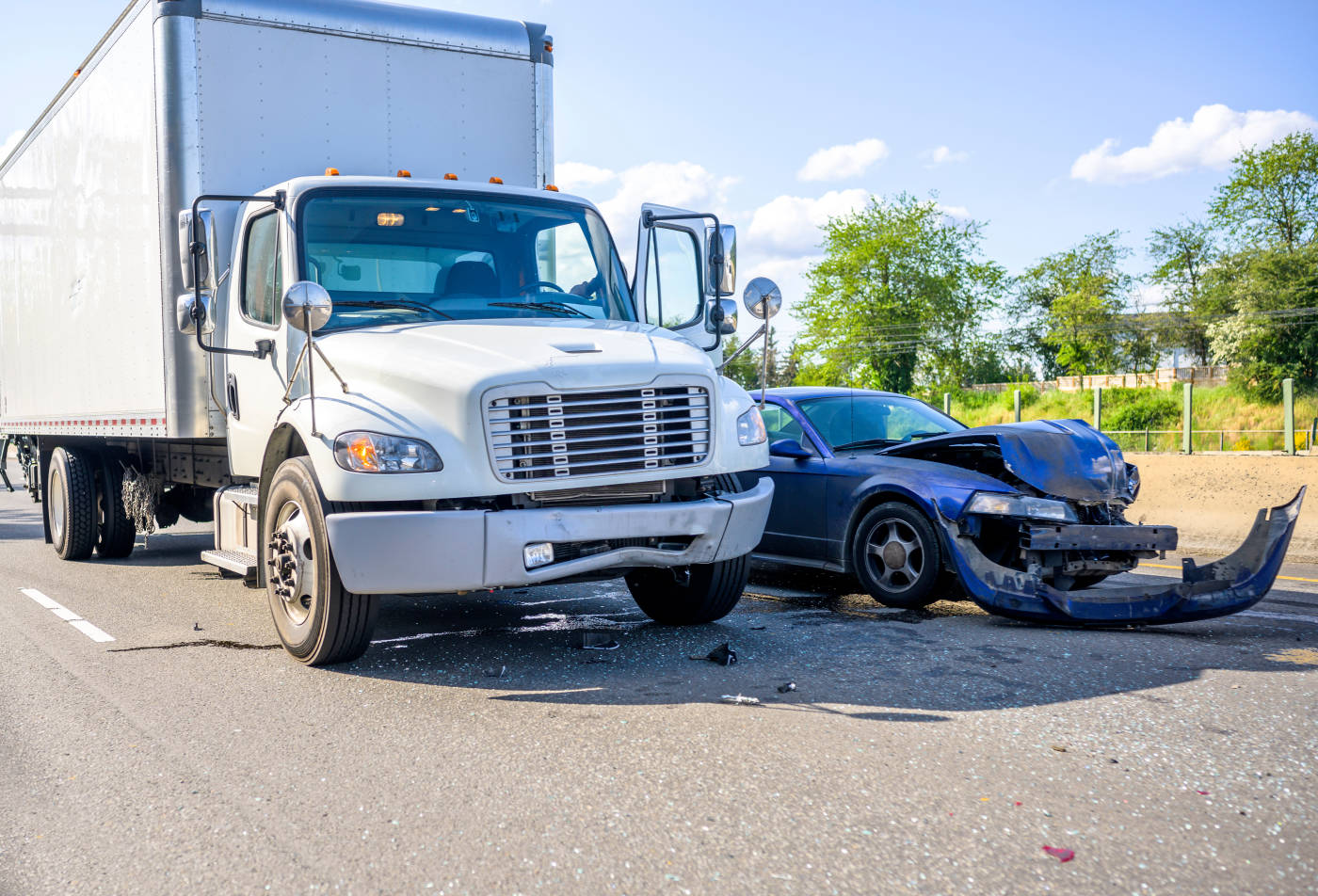
The Legal Complexities of Pursuing Compensation After a Michigan Truck Accident

Truck accident victims often face serious injuries, long recoveries, and an overwhelming amount of uncertainty about the future. Medical bills grow quickly, time away from work becomes unavoidable, and pain can interfere with even simple daily tasks.
Many people feel overwhelmed trying to determine who’s responsible and what steps to take next. When a commercial truck is involved, the process becomes even more complicated due to the additional parties, insurance policies, and regulations at play.
It’s completely normal to feel that you’re being asked to handle too much at once. At Dodd B. Fisher Law, we help truck accident victims in Grosse Pointe Woods & Fort Gratiot, Michigan, pursue fair compensation.
Our role is to guide clients through the legal claims process so they can focus on healing. If you or a loved one is dealing with the aftermath of a truck accident, we’re here to help. Reach out to us anytime for support.
Car accidents involve difficult questions about fault, damages, and insurance coverage. However, truck accidents add extra layers that most people never anticipate. Commercial trucks operate under both Michigan law and federal transportation regulations.
This means that responsibility for a crash can extend beyond the driver to the trucking company, a maintenance provider, a cargo loader, or even a manufacturer. Trucking companies also maintain large insurance policies, and their insurers move quickly to protect their own financial interests. This puts many crash victims at a disadvantage when they try to deal with the aftermath on their own.
Truck accident cases rarely involve just one responsible party. A single mistake may be due to poor training, unrealistic delivery schedules, inadequate supervision, or worn-out equipment. Each potential contributor to the crash brings a different insurance policy and legal duty into the picture.
When a crash is caused by several negligent actors, identifying who’s responsible becomes one of the most important steps in the claims process. These cases often require gathering evidence from multiple sources and tracing how each party’s behavior influenced the chain of events that led to the collision.
Truck accidents often involve circumstances that don’t apply to everyday car collisions. People are often surprised at how many additional questions have to be addressed.
Issues that frequently arise include:
Multiple layers of insurance coverage: Truck drivers and trucking companies often carry separate policies, which can create coverage gaps and delays.
Company involvement: Employers may be responsible if the driver was performing job duties at the time of the crash.
Federal regulations on driver hours: Violations of service-hour rules may play a major role in proving fault.
Maintenance requirements: Trucks must meet specific maintenance standards, and poor upkeep can contribute to a crash.
Cargo-loading problems: Overloaded or unsecured cargo can lead to rollovers or jackknife accidents.
These issues don’t just create confusion—they influence who must pay and how much compensation may be available. Victims benefit from understanding these obstacles early, so they’re better prepared for what’s ahead.
Truck accidents involve a wide range of records and data that aren’t present in typical motor vehicle crashes. The trucking company controls some of this information, and it may not be available for long unless someone requests it promptly.
Multiple forms of evidence can shed light on what happened before and during the collision. Each piece contributes to a clearer picture of how the crash occurred.
Important evidence includes:
Electronic logging device (ELD) data: Tracks the driver’s hours behind the wheel.
Black box information: Records speed, braking, and other critical details before impact.
Driver qualification files: Includes training records and safety histories.
Maintenance and inspection logs: Show whether required repairs were performed on time.
Load manifests: Indicates whether cargo was properly secured or overweight.
Dashcam footage: Helps clarify what the driver saw and how they reacted.
Witness statements: Provide context that electronic data alone can’t offer.
Collecting this information quickly protects a victim’s right to pursue full compensation.
Commercial trucking companies are often supported by large insurance providers that act quickly after a crash. They may dispatch representatives to the scene, hire investigators, or seek statements before victims have even had time to fully process the incident.
These early efforts aren’t meant to help injured people—they’re designed to protect the trucking company’s financial interests. This can lead to pressure, mixed messages, or attempts to shift blame onto the victim.
Understanding these tactics empowers accident victims to protect themselves and avoid agreeing to anything that might affect their claim.
Many people don’t know what to do immediately after a truck accident, especially when injuries are severe. Even small decisions can influence a future claim.
Actions that often make a difference include:
Seeking medical attention promptly: Even minor symptoms can signal deeper injuries.
Following treatment plans carefully: Medical records play a major role in proving damages.
Photographing the scene and injuries: Visual evidence can be valuable later.
Keeping copies of all bills and receipts: These records document the financial impact of the accident.
Avoiding statements to trucking company representatives: Anything said can be used to reduce compensation.
Taking these steps helps protect both physical well-being and the future claims process.
Truck accident victims often struggle to understand how Michigan law applies to their situation. The questions below, answered by our experienced truck accident attorney, offer straightforward explanations to help clear up some of the confusion.
Responsibility may fall on the driver, trucking company, cargo loader, maintenance provider, or manufacturer, depending on the circumstances. For instance, if a truck overturns due to overloaded cargo, liability could rest with both the driver and the company that handled the loading.
Each party’s insurance may be involved, and liability often requires careful review of evidence such as driver logs, maintenance records, and company policies.
Yes. Commercial truck drivers must comply with federal regulations that govern hours of service, rest breaks, vehicle maintenance, and mandatory safety training. Violations of these rules can be used as evidence to establish negligence or fault, and they often play a significant role in determining liability after a crash.
Yes. Companies must maintain driver qualification files, electronic logs, inspection reports, maintenance records, and cargo documentation.
These records can reveal whether the truck was properly maintained, the driver was adequately trained, and the cargo was secured in accordance with safety regulations, all of which are critical to building a legal claim.
It’s safer to avoid direct conversations. Statements made to the company or its insurer can be used to reduce the amount of compensation offered or shift blame onto you. Instead, provide information through your lawyer, who can assure your responses are accurate and don't harm your case.
Michigan law sets specific deadlines, or statutes of limitations, for personal injury claims, typically three years from the date of the accident for most negligence claims, according to state law. Missing these deadlines can prevent you from recovering damages, so contacting a lawyer early is critical to protect your rights.
Truck accidents raise many questions, and it’s normal to feel uncertain about the claims process. Clear information helps victims feel more prepared as they move forward.
If you’ve been injured in a truck accident, you shouldn’t have to sort through legal questions on your own. At Dodd B. Fisher Law, we support victims in Grosse Pointe Woods & Fort Gratiot, Michigan, in pursuing justice and compensation from all responsible parties. Call our firm today to schedule a consultation.