Navigating Insurance Coverage Gaps in Michigan Motorcycle Accident Cases
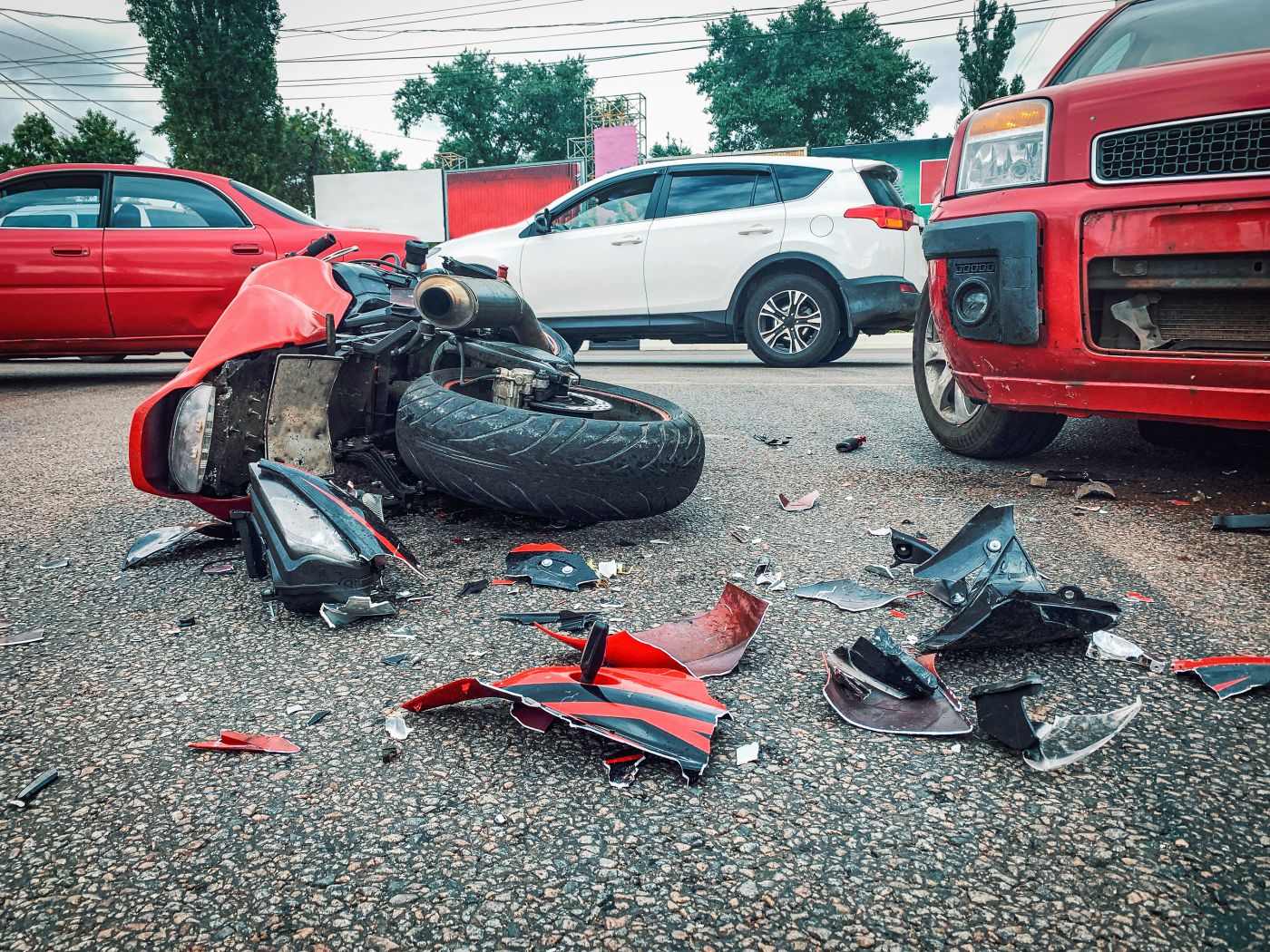
Motorcycle accidents leave far more than physical injuries in their wake—they often bring financial strain, anxiety about the future, and overwhelming questions about insurance. Riders hit the hardest are usually those who discover too late that their coverage isn’t enough to support their recovery.
The emotional burden of trying to rebuild your life while wondering how medical bills, lost income, and long-term care will be handled can feel almost unbearable. You’re not alone if you’re confused or frustrated by the insurance process after a crash. Many riders in Michigan share this experience, and they deserve clear, supportive guidance during a difficult time.
At Dodd B. Fisher Law, we help motorcycle accident victims across Grosse Pointe Woods & Fort Gratiot, Michigan, and the Detroit Metro area address critical insurance gaps before they turn into life-altering financial problems.
As experienced personal injury attorneys, our goal is to help riders understand their options so they can protect themselves and their families both now and in the future. Reach out to us today to get the support you need.
Michigan’s insurance system differs from that of many other states. While it offers strong protections through personal injury protection (PIP) for drivers, motorcyclists often fall into unexpected coverage gaps because they’re treated differently under state law.
Motorcycle insurance policies can be confusing, and riders may not realize they’re missing crucial protections until after a crash occurs. Several factors contribute to these gaps:
Michigan law doesn’t require motorcyclists to purchase PIP coverage.
Motorcycle insurance policies are typically liability-only unless optional coverages are added.
Riders depend on the insurance of the vehicle that hit them for PIP benefits, which creates uncertainty.
Together, these issues can leave accident victims struggling to cover expenses that they assumed would be paid by insurance.
Personal injury protection benefits cover medical expenses, wage loss, household replacement services, and more. But many riders are surprised to learn that they don’t automatically receive PIP through their own motorcycle insurance.
Instead, PIP benefits are tied to the involvement of a motor vehicle—not a motorcycle. This operating rule creates unique challenges that every Michigan rider should know about.
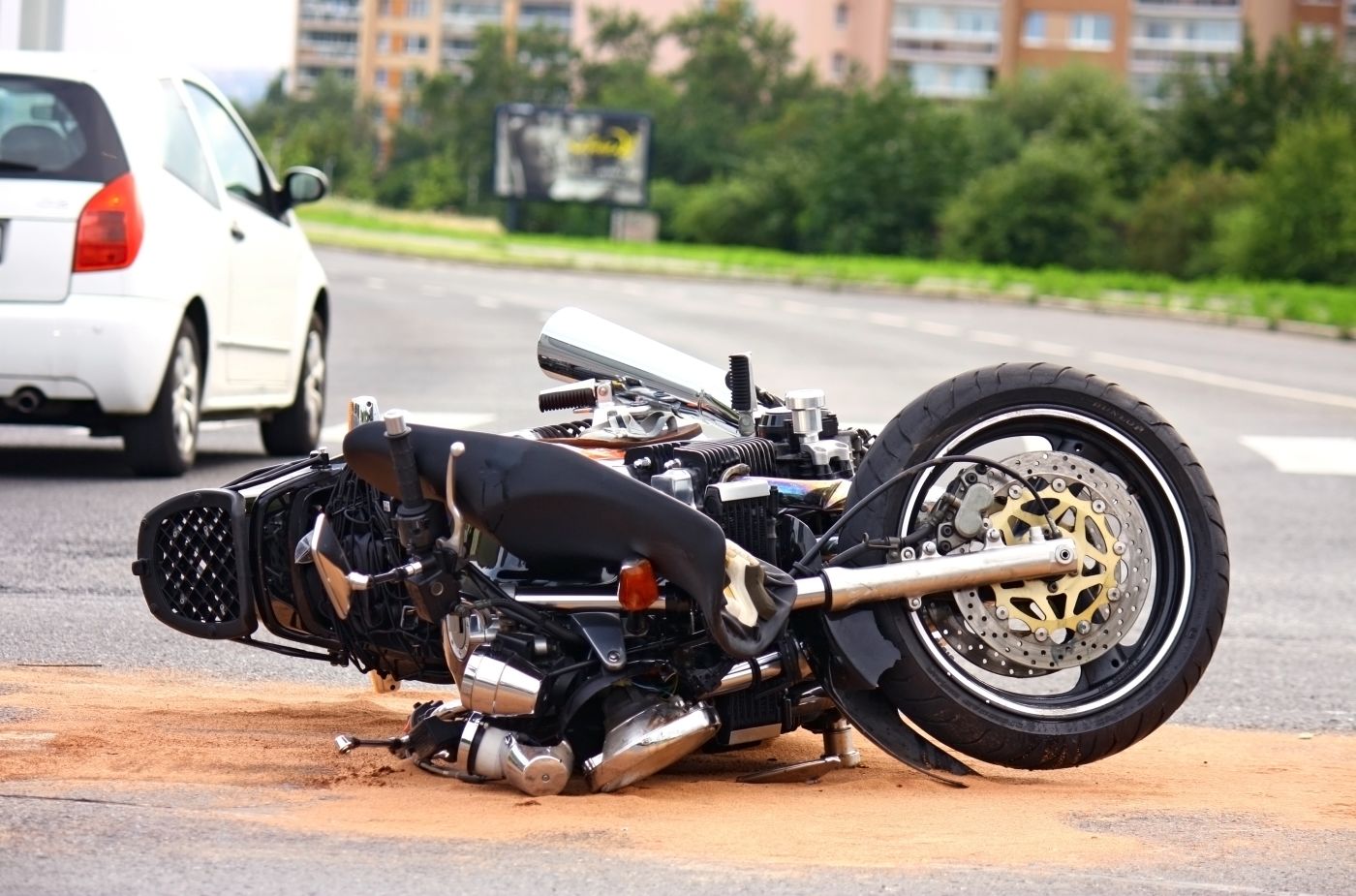
When a motorcycle is hit by a car, SUV, or truck, the injured rider may access the PIP benefits of the involved vehicle’s insurer. But if no motor vehicle is involved—such as in single-bike crashes or incidents caused by loose gravel, animals, potholes, or road debris—riders can be left with no PIP access at all.
This often means:
Medical bills are covered by private health insurance or paid out of pocket.
Wage loss compensation may be unavailable.
Long-term care needs may go unpaid.
These gaps can significantly affect a rider’s recovery and financial stability.
Many of these situations catch people by surprise because they assume motorcycle insurance works the same way as auto insurance—but it doesn’t.
Insurance gaps aren’t just technicalities—they directly affect medical care, financial stability, and a rider’s ability to continue working. Recognizing where these gaps happen is the first step in addressing them.
Common missing protections include:
Limited or no PIP benefits: Motorcyclists often don’t have automatic access to medical and wage-loss benefits unless a motor vehicle is involved.
Insufficient liability limits: Some riders choose the legal minimum, which rarely covers serious injuries caused in a crash.
Lack of uninsured/underinsured motorist (UM/UIM) coverage: Without these protections, riders may have no compensation if the at-fault driver doesn’t carry adequate insurance.
Collision and comprehensive gaps: Riders may struggle to repair or replace their bike when these optional coverages aren’t included.
No medical payments (“MedPay”) coverage: MedPay can help cover medical bills, but isn’t automatically included in motorcycle policies.
Being aware of these pitfalls can make the personal injury claims process less stressful and help riders avoid unexpected financial burdens.
Insurance coverage doesn’t just determine who pays for what—it can shape a rider’s entire financial recovery. Riders often discover that the coverage they declined or didn’t know about plays a key role in whether they can afford treatment or return to work.
Michigan riders should know how each type of coverage contributes to their overall protection. While no one plans for a crash, choosing the right combination of coverages offers peace of mind and stronger financial support.
Important insurance options include:
UM/UIM coverage: Helps pay for injuries if the at-fault driver has little or no insurance.
Medical payments coverage: Offers additional help with medical expenses not covered by PIP or health insurance.
Higher liability limits: Protect riders from personal financial exposure if they’re accused of causing a crash.
Collision coverage: Covers damage to the motorcycle regardless of fault.
Comprehensive coverage: Protects against theft, vandalism, weather damage, and animal collisions.
Riders should think of these coverages as tools that protect their financial future. Small adjustments to a policy can make a major difference after a serious accident.
Riders often ask what they can do to protect themselves moving forward. While no one can prevent every crash, there are proactive steps that significantly reduce the risk of coverage problems in the future.
Some key tips for improving future coverage include:
Review policies annually: Insurance needs change over time, and regular updates help fill new gaps.
Add UM/UIM and MedPay coverages: These additions can make a major difference after a crash.
Avoid minimum policy limits: Higher limits offer more protection at a relatively small additional cost.
Compare multiple insurers: Coverage options and premiums vary widely.
Ask about optional motorcycle-specific protections: Some companies offer additional benefits for gear, accessories, or custom parts.
Riders should view insurance not just as a legal requirement but as a safety net for themselves and their families. A few thoughtful policy choices today can prevent financial hardship later.
Motorcycle accident victims often have questions about how Michigan’s insurance rules apply to their situation. These common questions help riders better understand their options and what steps they can take after a crash.
Not automatically. Riders only access PIP benefits when a motor vehicle is involved in the crash. If no vehicle is involved, riders typically rely on their own health insurance or optional coverages like MedPay.
If you carry uninsured/underinsured motorist (UM/UIM) coverage, you can file a claim through your own policy. Without UM/UIM, your options for compensation may be limited.
Yes. Michigan follows a comparative fault system. Your compensation may be reduced based on your percentage of fault, but you can still pursue damages.
Yes. Motorcycles aren’t treated the same as motor vehicles under Michigan’s insurance laws. Riders must add optional coverages to receive protections that auto drivers get automatically.
As soon as possible. Early legal help can protect your rights, preserve evidence, and address insurance gaps before they create long-term problems.
These questions represent just a few of the concerns riders face after a motorcycle accident. If you're dealing with coverage issues, medical bills, or unclear insurance decisions, getting informed guidance can make a big difference. Reach out for help when you need clarity and support.
If you’re dealing with denied benefits, unexpected coverage gaps, or insurance questions that aren’t being answered, you don’t have to handle it alone. Dodd B. Fisher Law, with offices in Grosse Pointe and Fort Gratiot, proudly supports riders throughout the Detroit Metro and Port Huron areas. Reach out to us today for help.